“You do not know him, so you do not love him.” “He does not understand you, so he does not love you.” “You need space from him.” “You need to break up with him.”
These were words yelled across the front of my brain in the middle of a relationship with a man I absolutely adored and who I was head over heels for. He valued me, and I valued him. Our compatibilities were off the charts. Our time together was full of belly laughter, stimulating talks, and afterwards, my entire being felt refreshed. Yet around the five-month mark, when I started to feel stressors from finances, work, and the loss of a friendship, those doubt-filled whispers began. By the next month, they were shouting. I felt disconnected, frustrated by the sudden shift from bliss to uncertainty. I resented the intrusive thoughts, but I also knew I couldn’t ignore them.
And by “them”, I mean “The Shrew”.
Meeting The Shrew
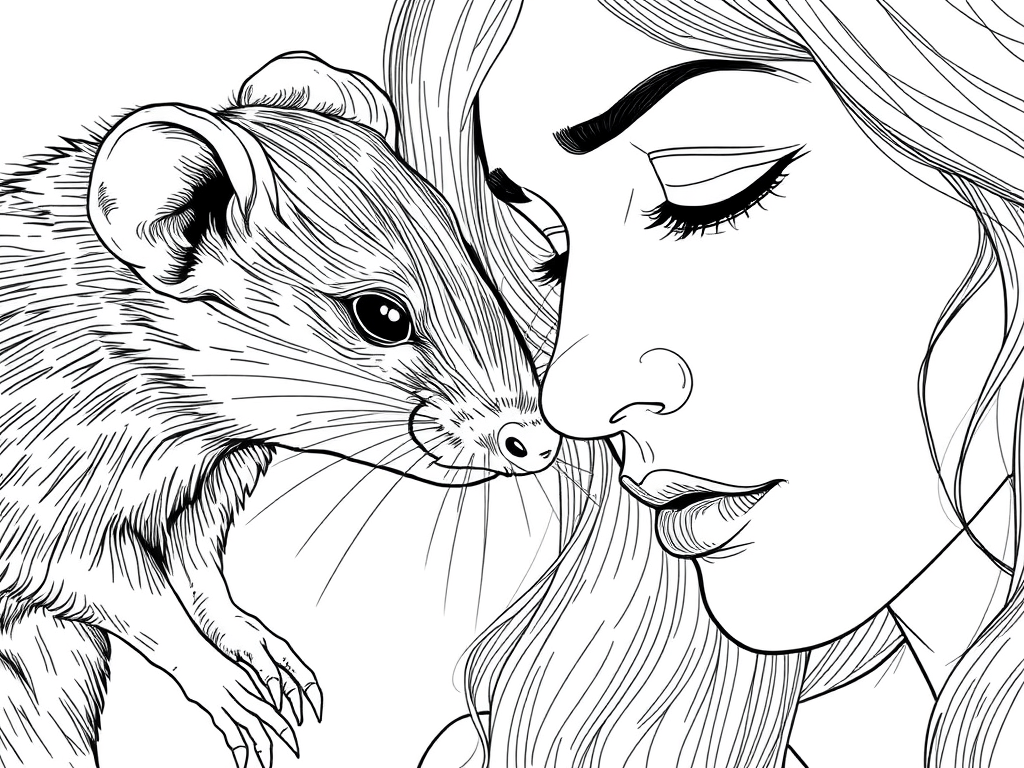
The Shrew has seen it all. She has witnessed every mistake, every heartbreak, and every poor choice. She is stern, critical, and relentless. After each painful experience, she stood tall with a disapproving shake of the head: Didn’t I tell you so? Her voice grew louder when I failed to listen. She is the guardian of my fear, desperate to protect me from the sting of regret.
But I’ve learned something: The Shrew isn’t the enemy. She’s a part of me. When I listen, she tells me she’s scared. She wants to shield me from hurt. What she lacks in nuance, she makes up for in conviction. And the only way to calm her is not to fight, but to offer her compassion.
Yet The Shrew is not alone. She is part of a system of Others—internal voices that echo my experiences, desires, and fears. Among them are Longing One and Emerging Self.
Longing One: The Voice of Desire
Longing One loves Love. Longing One yearns to be with someone she can devote her entire soul to and revolve her life around. She craves the emotional freedom of being deeply known and is the one who feels lonely when she feels she is not. She thrives in the safe comfort of friendship that happens after consistently being with one person for some time.
Here was an example of how powerfully Longing One could manifest her desires and fears. After the end of a long-term relationship, Longing One still felt the gravitational pull of that comfort. My ex and I remained intertwined in a friendship that fed the illusion of closeness. Even after the breakup, the emotional safety was addictive. But platonic intimacy without boundaries breeds confusion. It was when a kiss from my ex filled me with shock that the truth finally landed.
Our friendship was not a neutral space; it was a lingering tether. And I was not free. A dream of spitting out cyanide while his name crossed my mind confirmed what I already knew. The universe had placed a firm hand on my back, pushing me forward. This push beyond my control happened before, and I knew I entered the next chapter. Looking back, this was where Emerging Self fought for her desire to come forth.
Letting go was an act of reclaiming my autonomy. And yet, even in this newfound freedom and when I met someone new, Longing One ached for reassurance. She whispered fears about not being deeply known by this newly discovered and lovely man, about not being met authentically in those wife-like roles she loved and which she naturally took on almost immediately.
The Shrew arrived at this point and wondered if I was moving too quickly, if I was repeating old patterns. If I had fallen unconsciously into another relationship to replace the familiar comfort Longing One craved.
Emerging Self: The Voice of Growth
Emerging Self is fearless. She stands on her mountain, looking higher. She embraces who she is and presents this embraced self to the world, meeting the gaze of those who see her, refusing to shrink away. She blossoms in the presence of those who encourage her to keep climbing higher until she is soaring over the vista of everything she can be. She becomes alive when her soul is being desired to be understood.
She tells Longing One, You are not merely replacing one comfort with another. Yes, you are learning what safety feels like with someone who is sharply aware of his pacing with you and takes great care to grow slowly with you. Yes, you are getting hits of what brings you joy – serving your beloved – and that is okay. These tasks of service take time to evolve into the roles you crave for, and you are learning that the Shrew will turn on her cautionary light when she feels you may be compromising my timing towards emergence of my freest self with these hits of relationship drugs.
You have entered into the pools of your power, and I protect you from this place of passion for love and life. You are choosing to grow slowly and carefully with someone whose soul recognizes yours yet whose mind seeks to understand exactly what it is his soul is recognizing.
You are discovering what it means to be met in another’s timeline, to be sought as a treasure relished in its slow discovery, to be emotionally free in the loneliness you sometimes feel within the humbling reality of not yet being completely known.
Emerging Self is not satisfied with comfort. She wants change. She wants to feel her vitality coursing through her veins, to experience the fullness of what she can become. She invites challenge because she knows that growth demands it. And when she is truly alive, she ignites others.
The Dialogue Within
When The Shrew cries out, I no longer recoil. I ask her what she needs. Often, her panic subsides when I give her my full attention. The same goes for Longing One. Her yearning isn’t a sign of weakness; it’s a testament to my capacity for connection.
I’ve come to see that the key is balance. Emerging Self reminds me that I don’t need to rush into defined roles or recreate old patterns. Longing One can find reassurance in the slow unraveling of intimacy. The Shrew can breathe easier knowing that fear no longer dictates my choices.
Psychological Roots and Practical Application
This practice of naming and dialoguing with inner voices is rooted in parts work therapy, specifically Internal Family Systems (IFS) therapy. Developed by Dr. Richard Schwartz, IFS views the mind as a system of sub-personalities, or “parts,” that form in response to life experiences. By recognizing and speaking to these parts, we can integrate them rather than repress or ignore them. Each part has a protective or adaptive purpose, even when it seems harmful. When we separate ourselves from these parts whose messages can sometimes sound scary, it helps us realize that who we are is not our thoughts. We can objectively look at ourselves from a distant place and more tolerably sit with the discomfort from listening to these sometimes dramatic, emotion-fueled messages.
Practical Exercise:
- Identify Your Parts: Begin by noticing the dominant inner voices. Are they critical, fearful, nurturing, or bold? Give them a name and form, just as I named The Shrew, Longing One, and Emerging Self.
- Dialogue with Compassion: Imagine sitting with these parts in a safe space. Ask them what they are afraid of or what they need from you. Listen without judgment.
- Express Understanding: Validate their feelings. Just like The Shrew’s concerns stemmed from fear of past mistakes, your parts may reveal deeply held beliefs about safety or love.
- Integrate and Reassure: Allow your Emerging Self, or a similarly grounded inner part, to offer reassurance. Remind fearful parts that you are capable of growth and discernment.
- Reflect: Journal the conversation between these voices. What do they say to each other? Notice any shifts in your emotional state and recurring patterns in your inner dialogue.
The Danger of Ignoring These Voices
When we ignore these inner voices, they don’t disappear; they grow louder and more insistent. Suppressed voices manifest in subtle and not-so-subtle ways. Anxiety, overthinking, emotional numbing, and physical symptoms like tension or fatigue can all be signs that an unheard part is demanding attention. When I ignored these voices, for example, I felt it most in my chest as a ballooning build-up of anxiety.
Unchecked, these voices can sabotage our relationships and sense of self. For example, The Shrew’s protective warnings might escalate to panic, pushing us to self-sabotage or create distance in a relationship. Longing One’s unmet desires can lead to clinging, dissatisfaction, or cycles of seeking reassurance. By ignoring them, we allow unresolved fears and patterns to dictate our choices.
Listening to our inner voices, however, fosters self-integration. Recognizing their messages offers clarity, helping us distinguish between legitimate concerns and irrational fears. This practice invites healing and cultivates resilience.
Reflective Questions for Your Inner Dialogue
- Who are the voices within you? Can you identify your own Shrew, Longing One, or Emerging Self?
- Naming your inner voices helps you see them as parts of you, not the whole of you.
- How does it feel to give each part or voice a name? Do you sense any emotional or physical shifts?
- Naming creates distance and clarity, allowing your body to reveal unspoken truths.
- Where in your body do you feel each part’s presence? How do they make themselves known?
- Your body often holds the wisdom your mind resists, signaling where your inner voices reside.
- How does each voice serve you, even when it seems disruptive or painful?
- Every voice, even the harshest, carries a protective intention that deserves understanding.
- What fears or desires are these voices expressing? What do they need to feel acknowledged?
- When you listen without judgment, the true needs beneath fear and desire can emerge.
- If you traced these messages back to their roots, what memories or experiences would you uncover?
- Our strongest inner voices echo unresolved experiences waiting to be seen and healed.
- What remains in the sand after their messages fade back into the ocean of your mind?
- After the wave of emotion subsides, what lingers is the clearest reflection of your truth.
- How can you show compassion to these voices without letting them control your actions?
- Compassionate listening calms the inner clamor, empowering you to respond rather than react.
- In your current relationships, are you listening to your Emerging Self? How can you nurture your growth without losing connection to your partner, family, and friends?
- Growth flourishes when you honor your Emerging Self while holding space for authentic connection.
Final Thoughts
We all have an internal dialogue that shapes our decisions and perceptions. By naming these parts of ourselves, we offer them space to heal. The Shrew no longer needs to scream when she feels heard. Longing One’s yearning softens when she is comforted. And Emerging Self stands tall, knowing she is leading the way.
Your inner voices are guardians of your story. And when you listen to them with courage and compassion, they become allies in your growth.
Listen. Embrace. Emerge.

 Footsteps in Fugue
Leave a comment